Etch Systems

Etch systems are critical in manufacturing semiconductors by selectively removing layers from the wafer surface. These systems ensure precision and efficiency in the fabrication process.

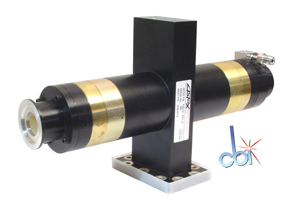
  1. High Power Dummy Load, 2.45GHz (e.g. 6kW, WR340)

    Other Plasma Processing Equipment and Tools
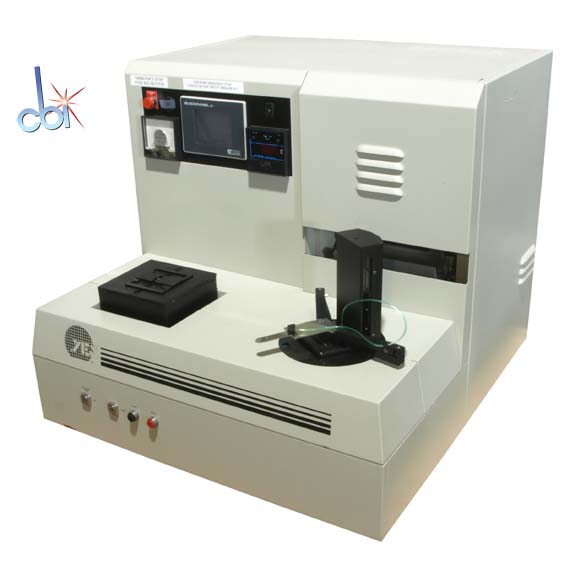
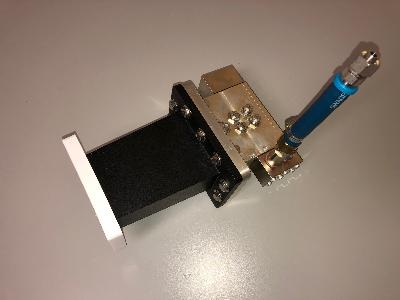
    High Power Dummy Load, 2.45GHz (e.g. 6kW, WR340)

    • Cline Innovations tends to have inventory of high power dummy loads capable of handling nominally 6kW of reflected power. 
    • Dummy loads of this power rating range tend to be WR340 rectangular waveguide size. WR284 waveguide type is less common, but may be available.
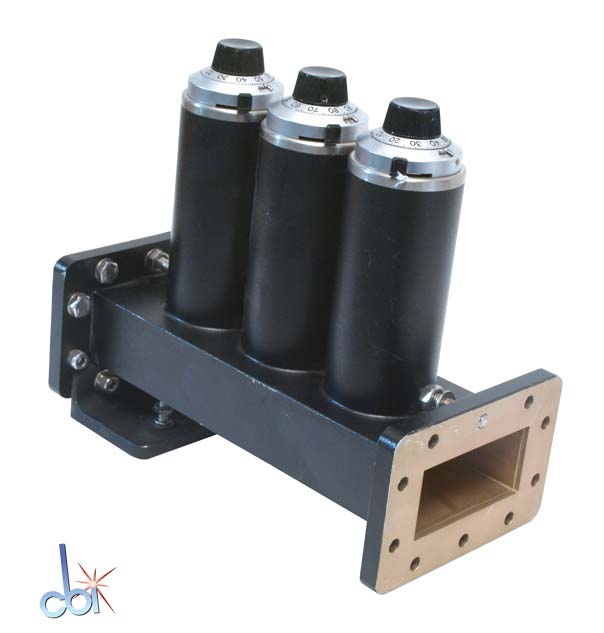
    • If you need to connect to other waveguide types like WR284, adaptors may be available. 
    • Both round flange and rectangular flange loads are available as of 9/1/25.
    • An example of a WR340 high power dummy load adapted to WR284 is shown in the attached image.  
    • Please contact Cline Innovations to discuss your needs.
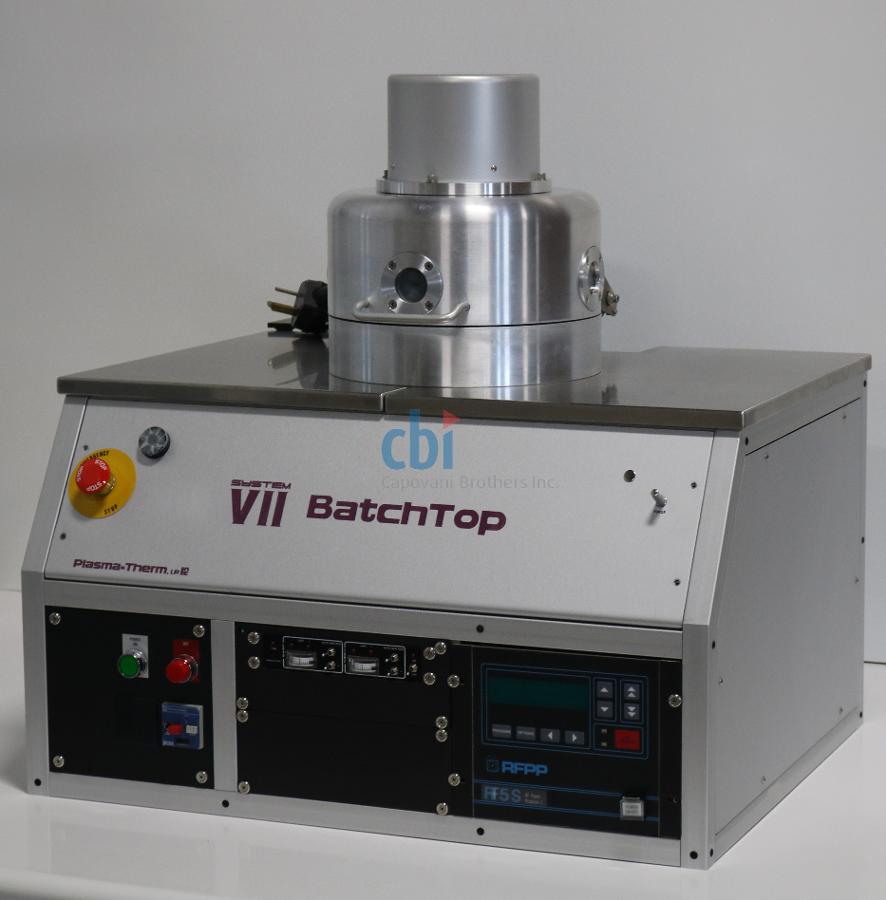
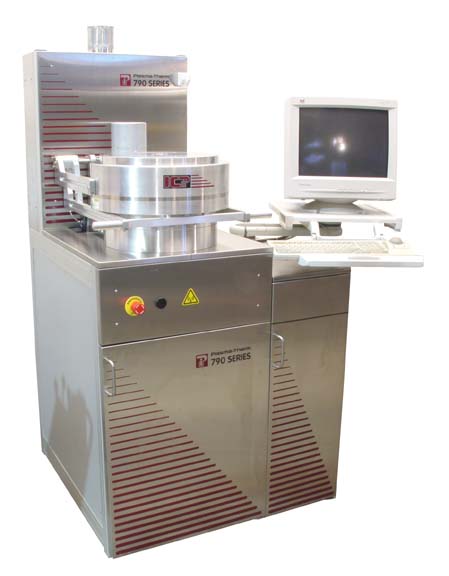
  2. PLASMA-THERM PECVD AND DUAL PLASMA ETCH/REACTIVE ION ETCH SYSTEM

    Metal Etchers

    PLASMA-THERM PECVD AND DUAL PLASMA ETCH/REACTIVE ION ETCH SYSTEM

    Combination PECVD and Dual Plasma Etch/Reactive Ion Etch Processing Systems
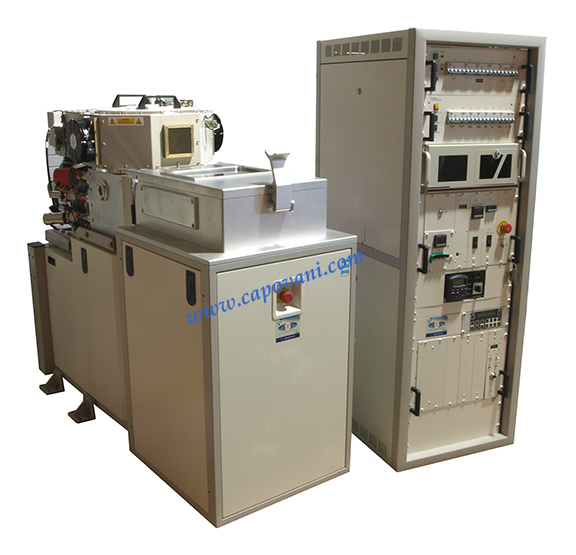
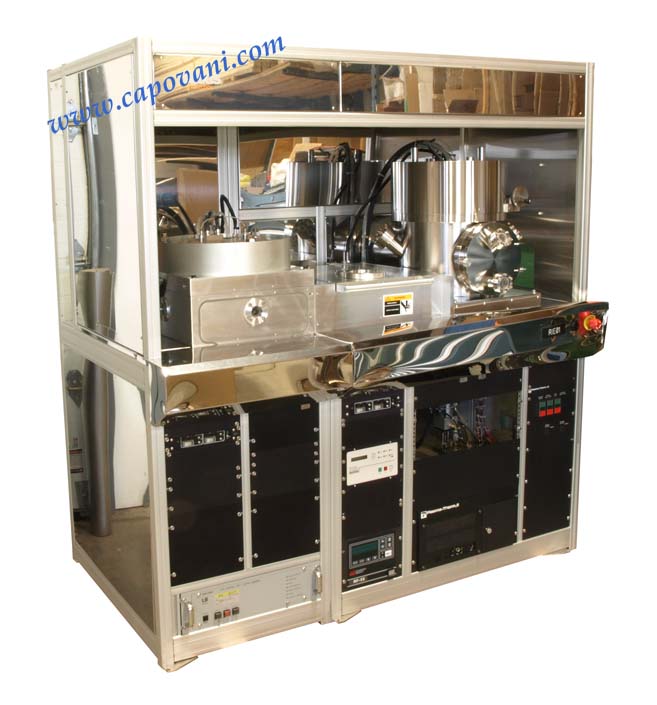
  3. ULVAC DRY ETCHING SYSTEM

    Cluster Plasma Tools - Metal

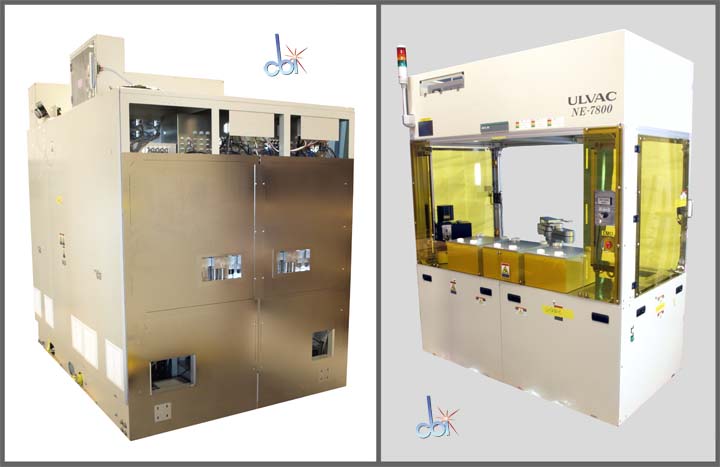
    ULVAC DRY ETCHING SYSTEM

    Like New Condition System installed in October of 2007, decommission in Feburary of 2008. Used in a R&D application The Ulvac NE 7800 is a high-temperature, high-density plasma etching system utilizing an Inductive Super Magnetron source (ICP with magnetic field). The NE 7800 is a dual load locked, cassette to cassette system designed for both R&D and production applications. Outstanding metal etching process stability for Pt/Ir/magnetic films and difficult to etch materials such as FeRAM and MRAM devices.

Common Applications

semiconductor manufacturing

microelectromechanical systems (MEMS)

integrated circuit fabrication

wafer processing

thin film deposition

photovoltaic cell production

Buying Guide

Etch Systems Buying Considerations

  • Consider the required etching precision and type of materials processed.
  • Evaluate the system's compatibility with existing fabrication processes.
  • Determine the throughput capability to meet production demands.
  • Assess maintenance requirements and availability of support services.
  • Examine energy consumption and environmental impact of the system.

Frequently Asked Questions

What is the main function of an etch system?
An etch system removes material from a substrate surface to create patterns necessary for semiconductor fabrication.
How do plasma etch systems work?
Plasma etch systems use ionized gas to remove specific areas of the substrate with high precision.
What are the advantages of laser etch systems?
Laser etch systems offer high precision and are capable of selective material removal without damaging the substrate.
What industries commonly use etch systems?
Etch systems are primarily used in the semiconductor and microelectronics industries.