

Power Generation & Distribution Equipment
Power generation and distribution equipment includes machinery and systems that produce and distribute power. These contribute to efficient and reliable energy management in industrial settings.
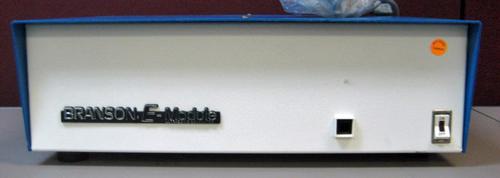
Popular Manufacturers
Common Applications
industrial power plants
renewable energy projects
emergency power systems
manufacturing facilities
mining operations
oil and gas sectors
Frequently Asked Questions
What types of equipment are used in power generation?
Common types include turbines, generators, and boilers, all of which are essential for converting various energy forms into electrical power.
How does power distribution work?
Power distribution involves the transmission of electricity from generation units to end users through a network of transformers, substations, and distribution lines.
What should I consider when buying power generation equipment?
Consider fuel efficiency, capacity, type of generator, and compliance with industry standards to ensure optimal performance and reliability.
What are the benefits of buying surplus power equipment?
Surplus power equipment offers cost savings while providing access to quality industrial-grade machinery that meets energy needs effectively.
Log in with your username/email address