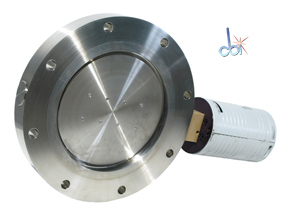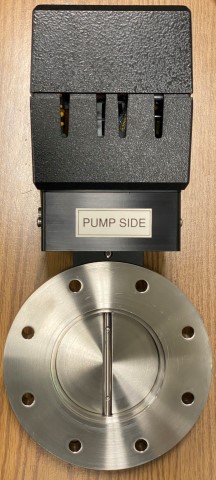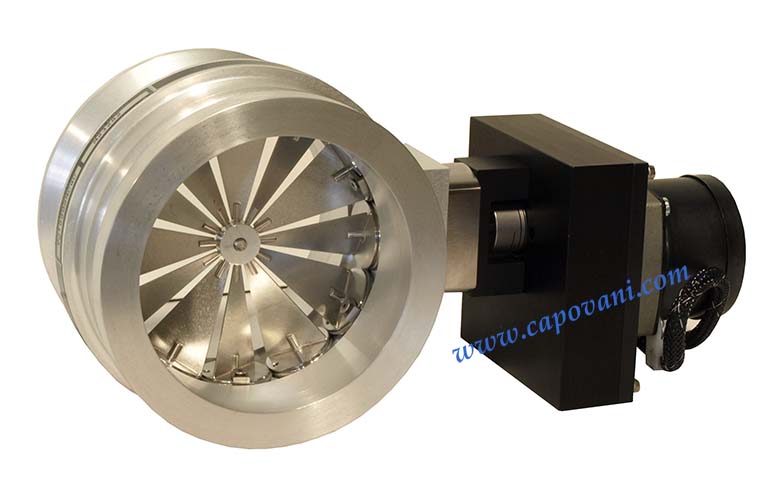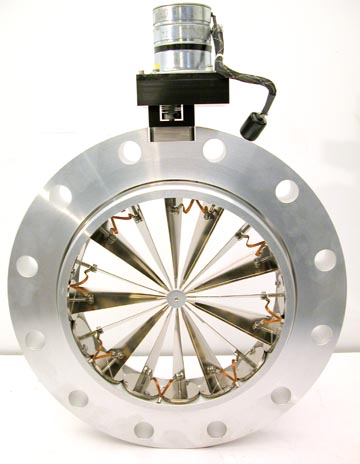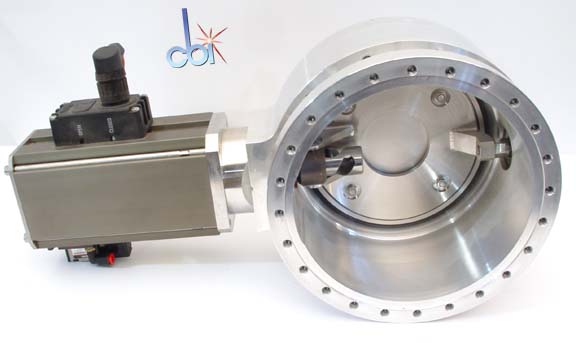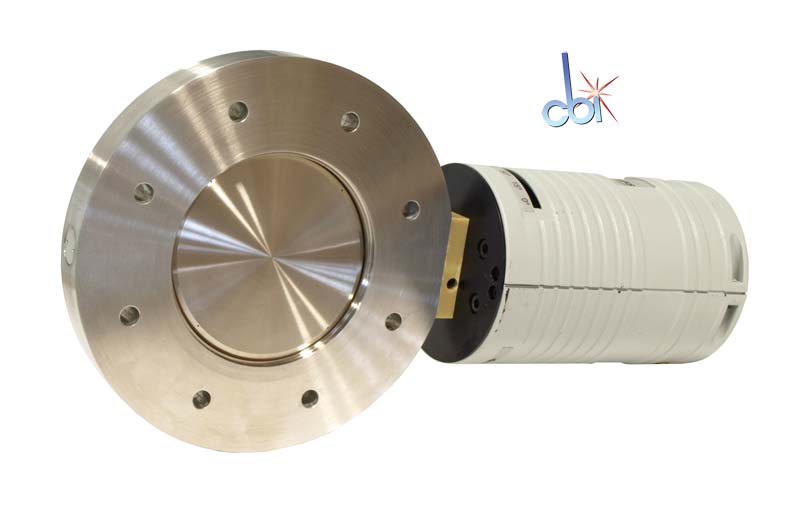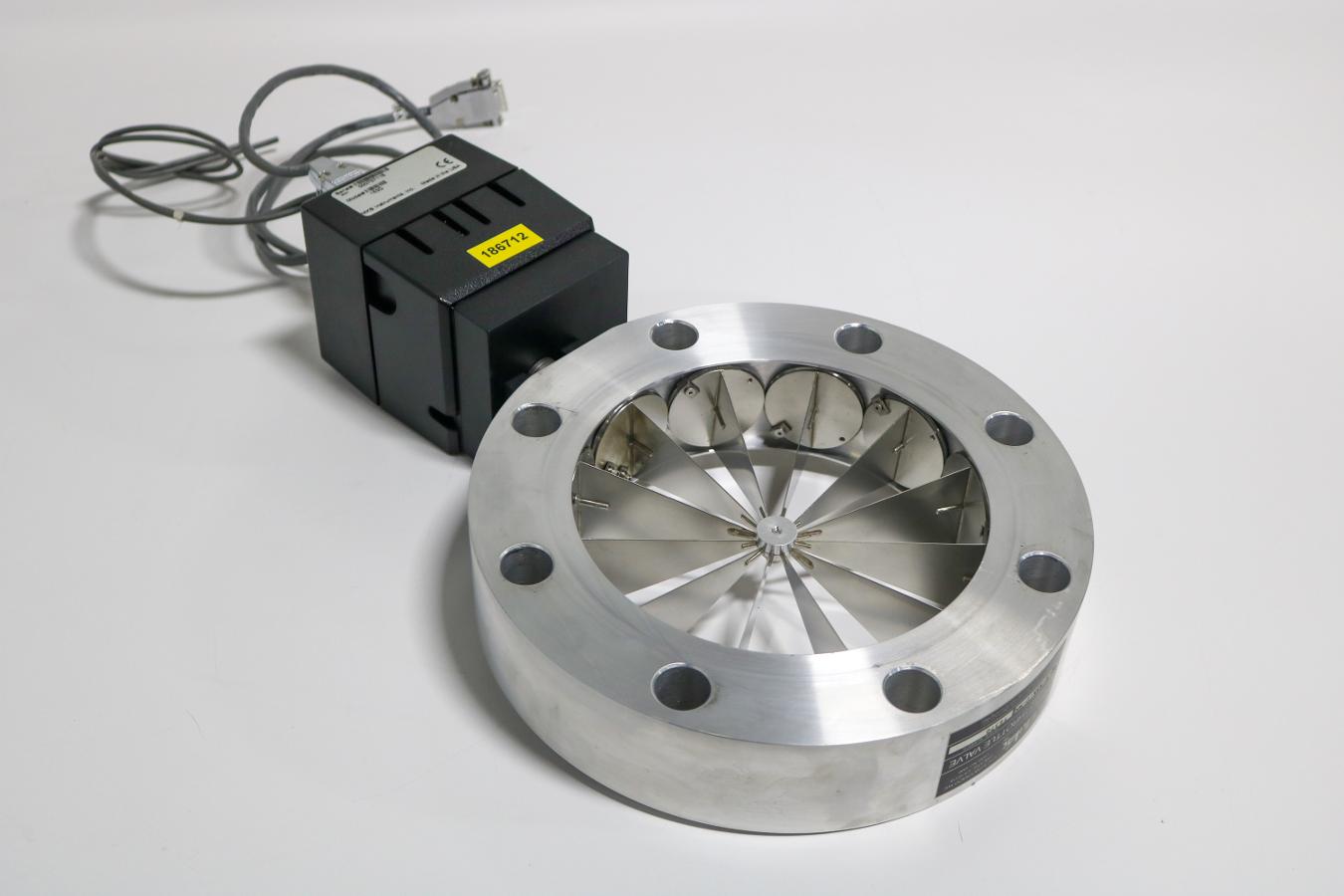
Vacuum Throttle Valves

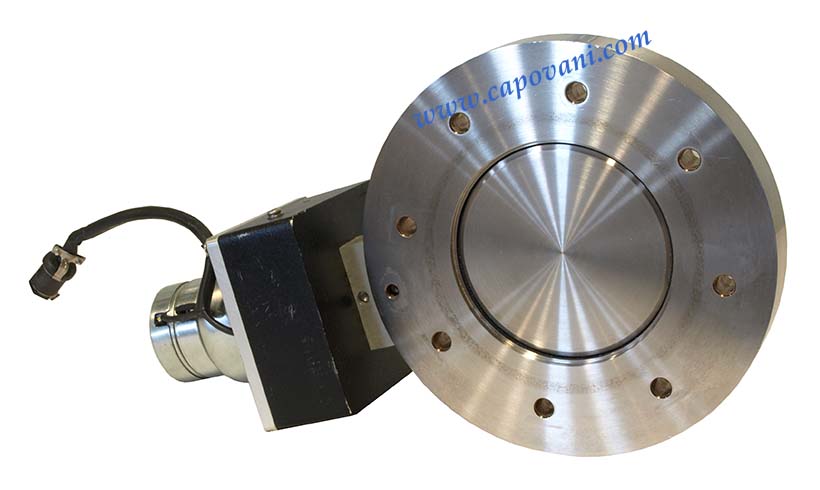
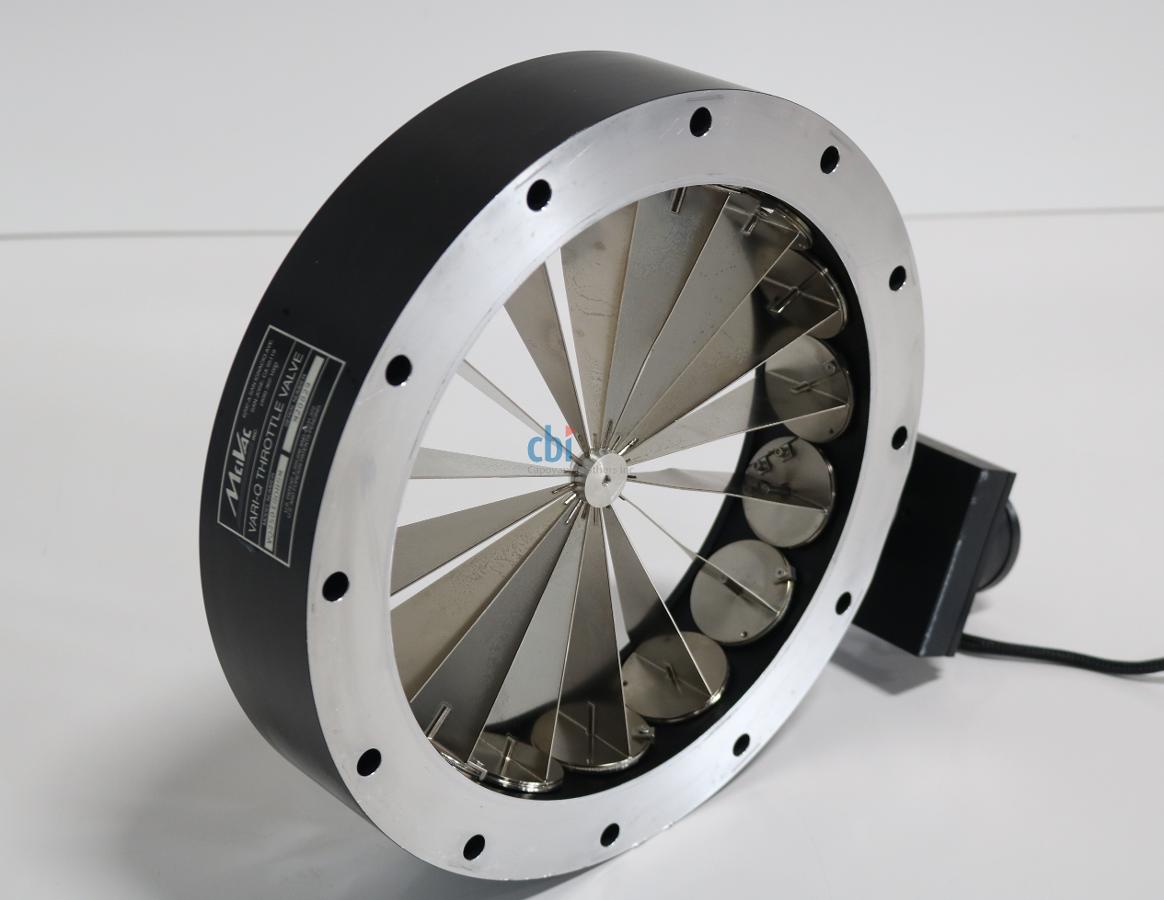
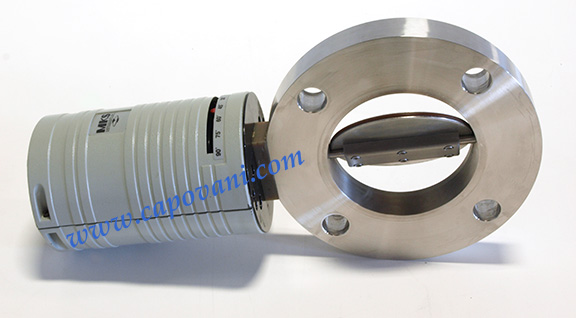
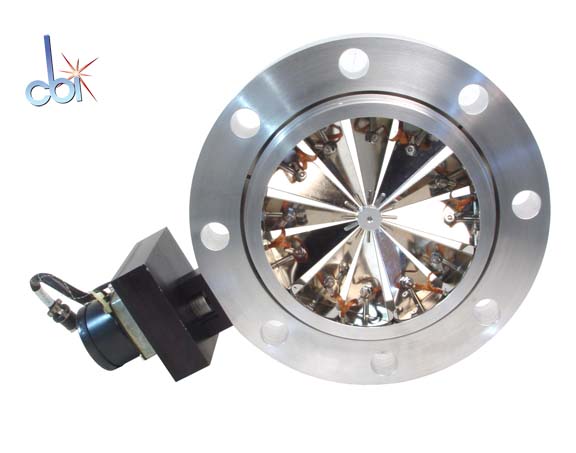
Vacuum throttle valves are crucial for regulating flow within vacuum systems. Their precision directly impacts system efficiency and process control.

Common Applications

semiconductor processing

vacuum coating

chemical vapor deposition

electron microscopy

industrial vacuum systems

leak detection

Buying Guide

Vacuum Throttle Valve Buying Considerations

  • Determine the required flow capacity to ensure compatibility with your system.
  • Choose the appropriate actuation mechanism based on your control needs, such as manual, electric, or pneumatic.
  • Evaluate the valve's material for chemical compatibility with the gases or liquids being used.
  • Consider the operating environment, ensuring the valve can withstand any extreme temperatures or pressures present.
  • Assess integration ease with existing systems, looking for features like standardized flanges or control interfaces.

Frequently Asked Questions

What is a vacuum throttle valve?
A vacuum throttle valve controls the flow and pressure within a vacuum system to maintain optimal performance.
How does a vacuum throttle valve function?
It modulates the opening size to regulate the flow of gases or fluids, thus controlling the system pressure.
Can a vacuum throttle valve improve energy efficiency?
Yes, by precisely managing flow rates, it minimizes energy consumption and enhances system efficiency.
What industries use vacuum throttle valves?
Industries such as semiconductor manufacturing, pharmaceuticals, and chemical processing frequently use these valves for precise control.