
Vacuum Angle Valves
Vacuum angle valves are essential for controlling the flow of gases and liquids in vacuum systems. They enhance system efficiency by providing precise flow regulation.
-
-
.jpeg)
-
-
-
-
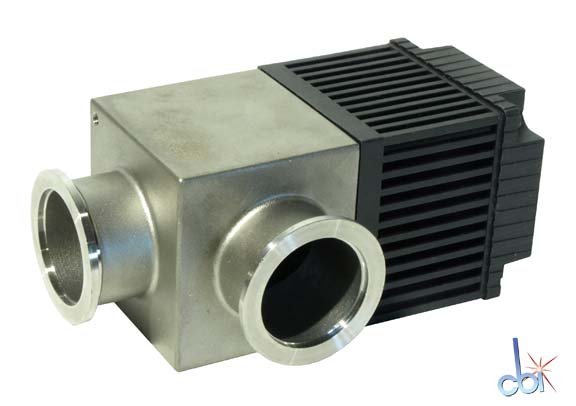
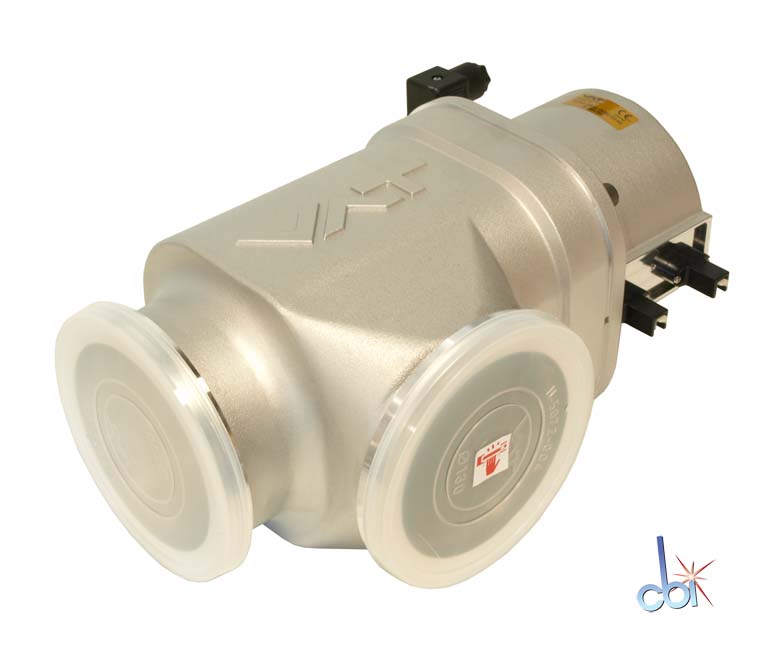
EDWARDS ANGLE VACUUM VALVE KF 40 MM
Angle Vacuum Valve Edwards Part Number: C41415000
-
-
-
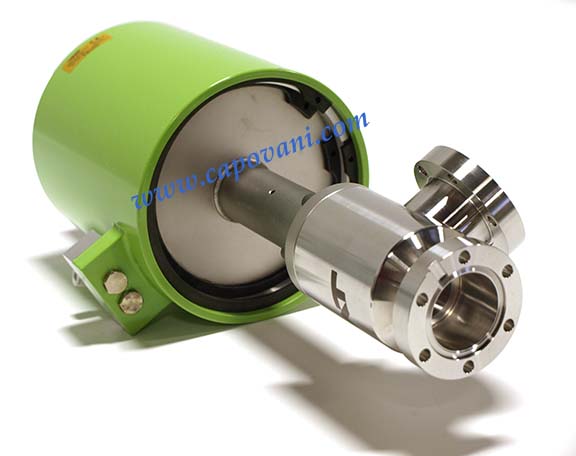
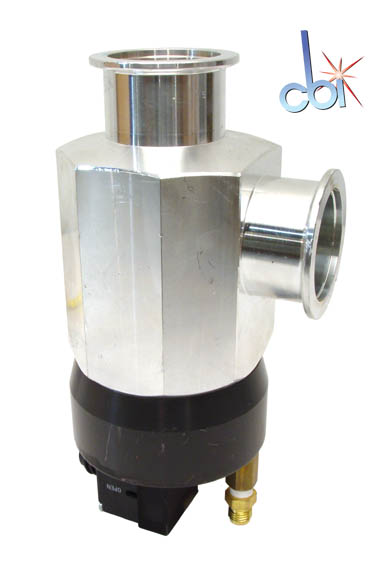
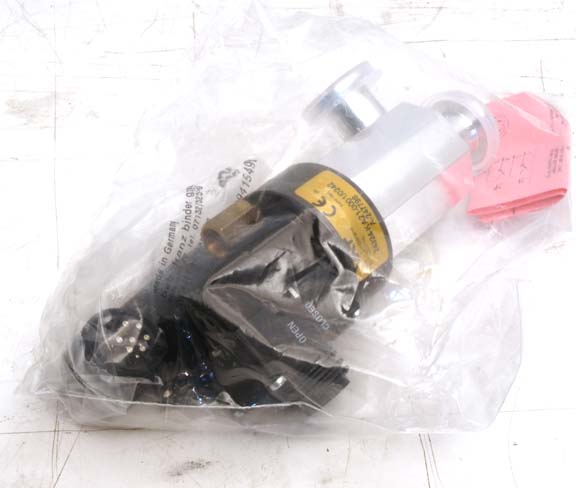
VAT PNEUMATIC ALL-METAL ANGLE VACUUM VALVE
Pneumatic All-Metal Angle Vacuum Valve, 90° For extreme UHV and/Aggressive mediaFull model number 57132--GE21-0003/0001
-
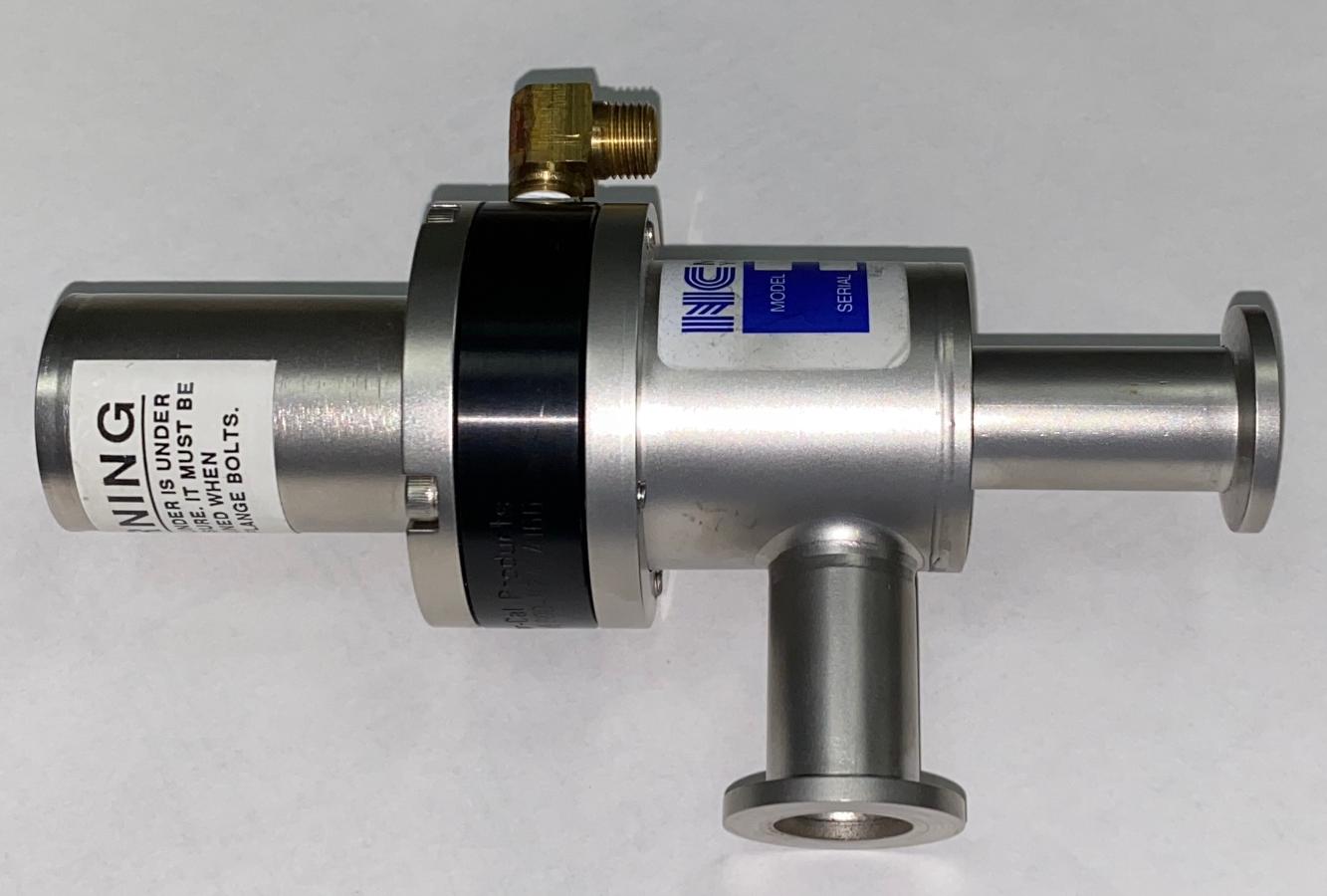
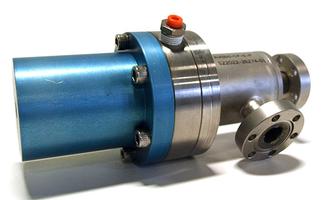
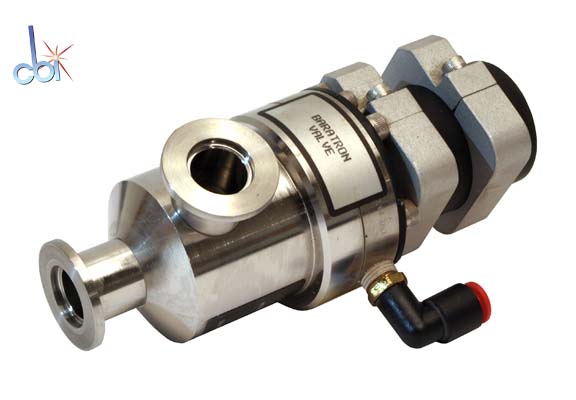
NOR-CAL PRODUCTS PNEUMATIC RIGHT ANGLE VACUUM VALVE KF16
Pneumatic Right Angle Vacuum Valve KF16
-
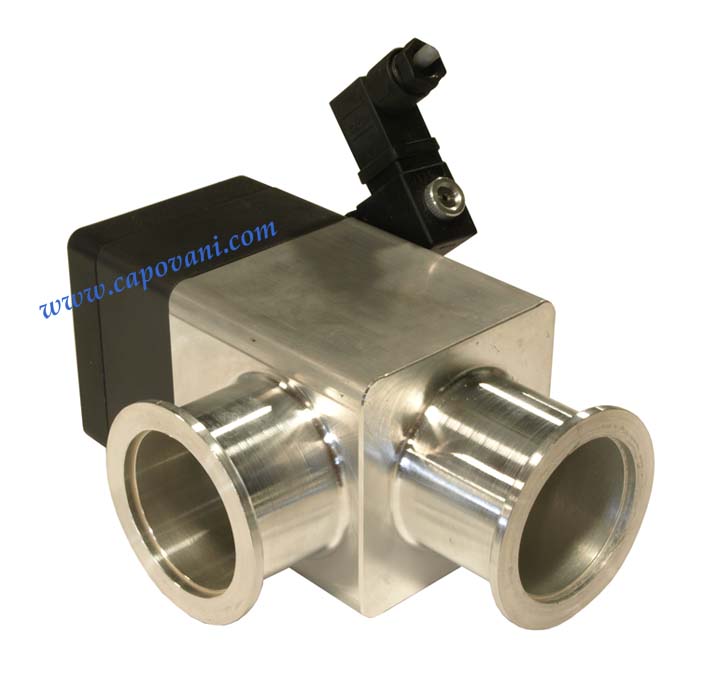
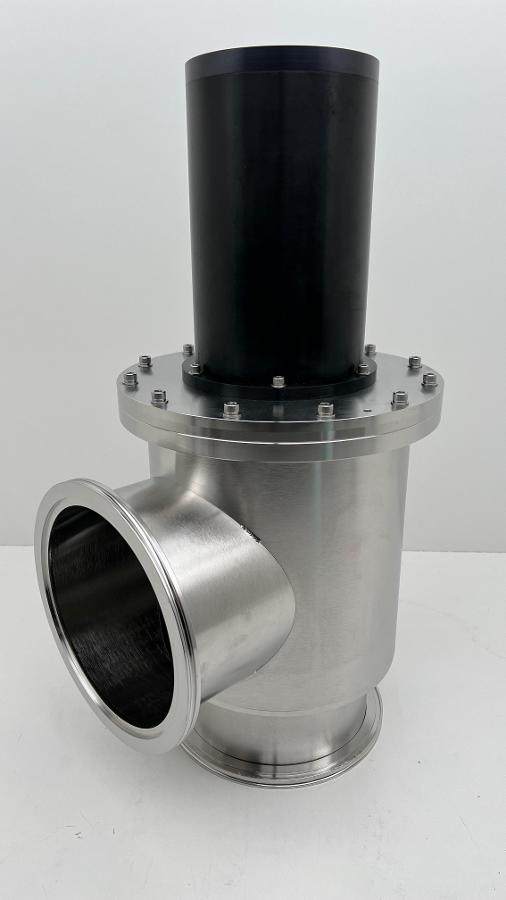
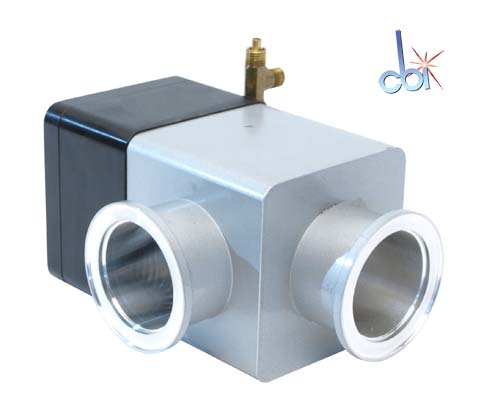
VAT ELECTRO PNEUMATIC ANGLE VALVE KF40
Electro Pneumatic Angle Valve VAT 26432-KA41
-
Popular Manufacturers
Common Applications
Semiconductor Manufacturing
Chemical Processing
Vacuum Coating
Laboratory Research
Pharmaceutical Production
Food Packaging
Frequently Asked Questions
What are vacuum angle valves used for?
Vacuum angle valves are used to control the flow of gases in vacuum systems, ensuring precise regulation and efficient system operation. These valves are essential in applications such as semiconductor manufacturing, chemical processing, and vacuum coating.
How do I choose the right vacuum angle valve?
Consider factors such as the operating pressure, material compatibility, and valve size. It's important to select a valve that matches your system requirements for optimal performance.
Can vacuum angle valves handle corrosive gases?
Yes, some vacuum angle valves are designed to handle corrosive gases, but it is crucial to choose valves made from materials that are compatible with the specific gases being used.
What materials are vacuum angle valves made from?
Vacuum angle valves are typically made from stainless steel, aluminum, or brass, with special coatings available for corrosion resistance.
Log in with your username/email address