
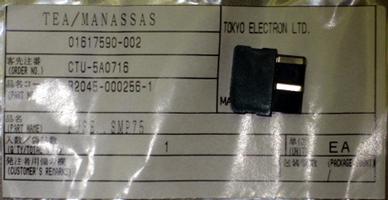
Fuses
Fuses are critical components designed to protect electrical systems from overcurrent by breaking the circuit. They ensure safety and reliability in industrial and commercial power applications.
-
-

-
Littelfuse Part Number BLF003
Fuses in Electrical and Electronic Components FUSE, 3A 250V PC-TRON FAST -
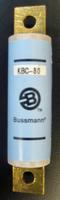
-
-
-
-
-
-
-
-
Popular Manufacturers
Common Applications
industrial power systems
commercial building installations
automotive electrical systems
consumer electronics
renewable energy systems
telecommunications infrastructure
Frequently Asked Questions
What are the types of fuses available for industrial use?
Common types include glass tube fuses, blade fuses, semiconductor fuses, cartridge fuses, resettable fuses, thermal fuses, and high voltage fuses.
Why are fuses important in electrical systems?
Fuses are vital for preventing overcurrent, which can cause equipment damage or electrical fires.
How can I choose the right fuse for my application?
Select fuses based on the system's voltage rating, current requirements, and environmental conditions.
What are the benefits of using surplus fuses?
Surplus fuses offer cost savings while providing reliable protection and compatibility with various systems.
Log in with your username/email address