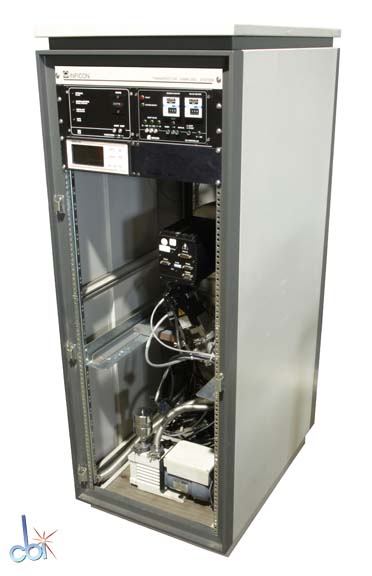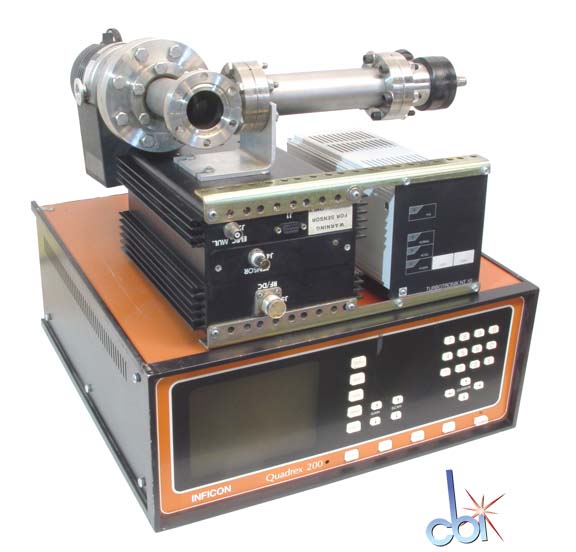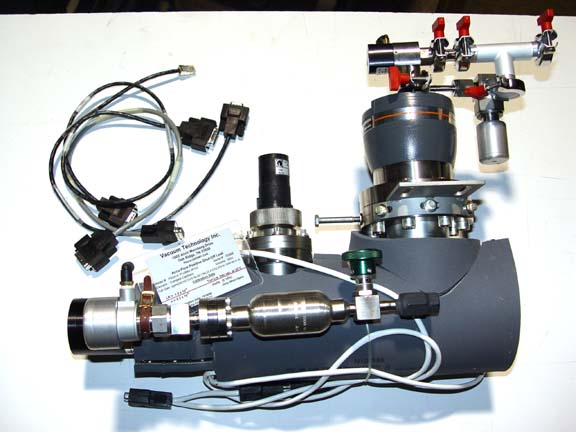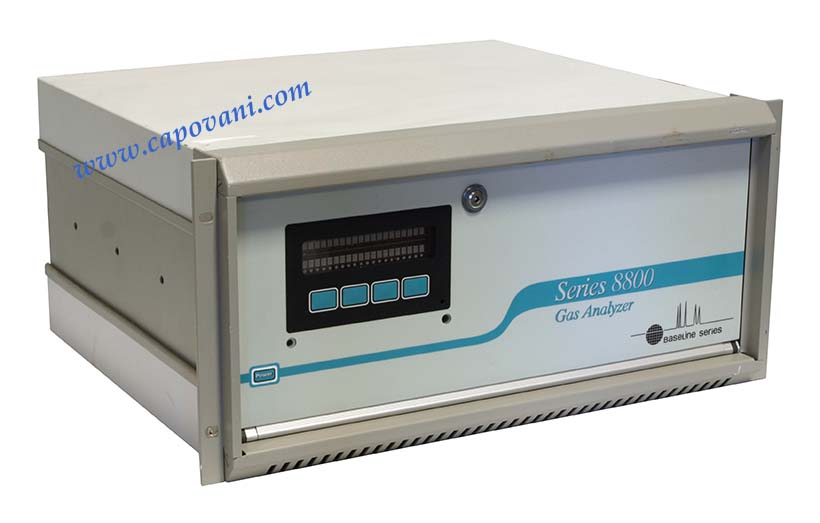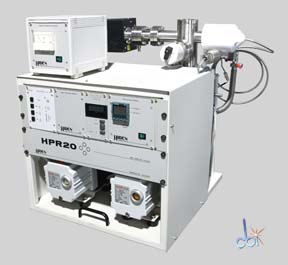
Residual Gas Analyzers

Residual gas analyzers (RGAs) monitor and analyze trace gases in vacuum systems to ensure optimal process conditions. They support improved performance and reliability in complex industrial environments.

Common Applications

semiconductor fabrication

vacuum coating processes

aerospace component testing

pharmaceutical research

environmental gas monitoring

nuclear industry

Buying Guide

Residual Gas Analyzer Buying Considerations

  • Determine the type of mass spectrometry needed for your application.
  • Evaluate the analyzer's sensitivity and detection limits for trace gases.
  • Consider compatibility with your existing vacuum systems.
  • Assess the need for portability in field applications.
  • Review available software for data analysis and reporting.

Frequently Asked Questions

What is a residual gas analyzer used for?
A residual gas analyzer is used to detect and analyze trace gases within a vacuum system.
How does a residual gas analyzer work?
It uses mass spectrometry to measure gas composition and concentration in a vacuum.
Why is residual gas analysis important?
It ensures that vacuum systems operate efficiently by monitoring for contamination.
What industries use residual gas analyzers?
They are used in industries such as semiconductor manufacturing, aerospace, and research laboratories.