
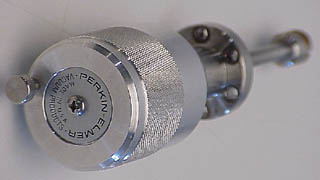
Vacuum Fittings
Vacuum fittings are critical components used to connect and seal various elements of a vacuum system. They ensure system integrity, preventing leaks and maintaining the required vacuum pressure for optimal performance.
-
-

-
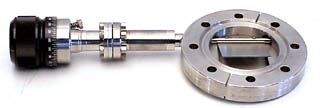
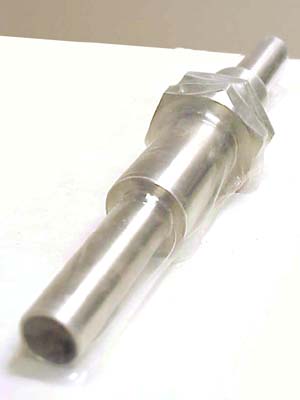
KURT LESKER FLAPPER VIEW PORT SHUTTER
Flapper View Port Shutter Shutters protect view ports in sputtering systems.
-
-
-

-
-
-
-
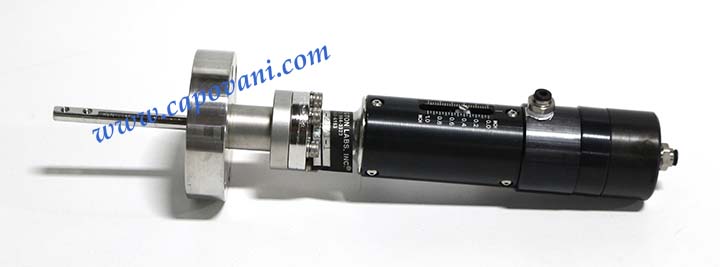
HUNTINGTON VACUUM FEEDTHROUGH LINEAR 1 INCH
Pneumatic Mini Linear Vacuum Feedthrough
-
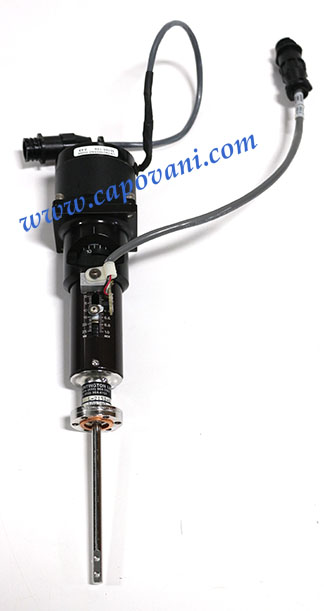
HUNTINGTON VACUUM LINEAR FEEDTHROUGH 1 INCH
Motorized Mini Linear Vacuum Feedthrough
-
HPS BELLOWS KF 40 X 40"
Bellows - New Never Used HPS acquired by MKS Instruments Inc.
Popular Manufacturers
Common Applications
scientific research
semiconductor manufacturing
pharmaceuticals
vacuum coating
aerospace
energy production
Frequently Asked Questions
What are vacuum fittings used for?
Vacuum fittings are used to connect and seal components in a vacuum system to prevent leaks and ensure proper vacuum levels.
What types of vacuum fittings are available?
Common types include KF (small flange) fittings, ISO-K (semi-quick) fittings, and CF (ConFlat) flanges.
Which materials are vacuum fittings made from?
They are typically made from stainless steel, aluminum, and other metals to ensure durability and vacuum compatibility.
How do I choose the right vacuum fitting?
Selection depends on your system requirements, including flange type, size, and compatibility with existing components.
Log in with your username/email address